
 Having a room redecorated can often feel daunting, with people exclaiming “Where do I start?!” But undertaking any form of home improvement should be exciting, thrilling and fun! Take time, breath, relax and let ideas and thoughts flow
Prior to picking up a paint brush or hitting the online “order” button, for a room to be decorated successfully, give time to careful planning and forethought.
A great starting point is using magazines, Pinterest and even friends homes for inspiration. Highlight looks and items that either appeal or indeed you dislike – look at colours, textures as well as styles and furniture. Create an ideas and mood board that reflect the general feel and look you are aspiring too. Do not restrict your thoughts at this stage but simply bear in mind the following:
Purpose – what will the room be used for? Whatever decoration or furniture you choose needs to be ‘fit for purpose” and will ensure overall satisfaction as well as assist with the longevity of the decoration. If you are changing the use of the room don’t be influenced by ‘what has gone before”, treat every redecoration as an opportunity for change.
Preferences – what do you want from the room? Be focused – this is your room and your home. Don’t be unduly influenced by what a friend or mother-in-law thinks, your choices need to reflect you and your family’s tastes.
A beautiful jacket does not necessarily flatter everyone. The styling colour or shape may look stunning on one person and look awful on another. It’s the same with your home styling – what suits one home or family won’t suit another.
Budget – Set a realistic budget. Plan what you are going to do (yes, it’s time to get the excel spreadsheet out!) and confirm the works can be completed on budget. Remember to keep an allowance for all the finishing touches. These elements truly do bring a room alive, making it look original, inspiring and individual.
Colour – There is a whole psychology behind colour so choose carefully. For example the use of reds should be avoided if you are planning for a relaxing lounge. Alternatively do not assume if you have a dark room that you have to go with light colours. The major paint companies offer a number of finishes from matt to high sheen, paints suitable for bathrooms or kitchens and the list goes on, choose the right paint and it’s life will be extended.
Whole house appeal – give consideration to how the rest of the house is decorated. Ideally you should attempt to create a “flow” throughout the home with rooms being connected through the subtle use of colour.
When compiling your mood board bring together samples to help show how your design will look. It will highlight the colours and ideas that really work, as well as identifying those that are less complimentary!It’s better to find out now than when you have f
nished the whole room! A manual board is great for compiling samples and providing a true picture of colours and textiles. Alternatively many are favouring online mood boards, although often colours and textures are not truly represented. Most of all be creative, enjoy yourself and don’t see it as a chore.
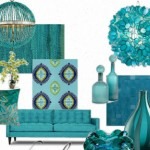 Once you have completed your mood board, your ideas can be moderated to apply to the real world or your environment. The lime wall you dreamt of can become the accent colour for cushions. And remember your don’t need to compromise on your dream look there are always different options. More often than not, with a little research and a bit of time an alternative to the oversized and over priced centre light can be sourced on the high street at the fraction of the cost!
As soon as you are happy with your mood board you can set to work and create a beautiful room personal to you and yours.